

Chemistry Lore
The stories behind the videos
The written story behind every Chemistry Lore video. The stories inside the elements. The people, the dates, the sources.
 5 min readThe Periodic Table: How Chemistry Found Its Hidden OrderAn empty space became a prediction. Understanding why takes us from the workshop to the inside of an atom.
 2 min readCalcium: Your Body’s Most Abundant Metallic Element Is Not MetalCalcium belongs among the metals, but its place in the body is as ions: incorporated in mineral or dissolved for signalling.
 3 min readWhy Bananas Are Slightly RadioactiveA tiny radioactive fraction of naturally occurring potassium explains the banana fact; careful counting keeps it in perspective.
 2 min readWhy Argon Usually Refuses to React — but Can Form a CompoundArgon usually remains separate and unreactive, but a laboratory compound shows why inert should never mean impossible to react.
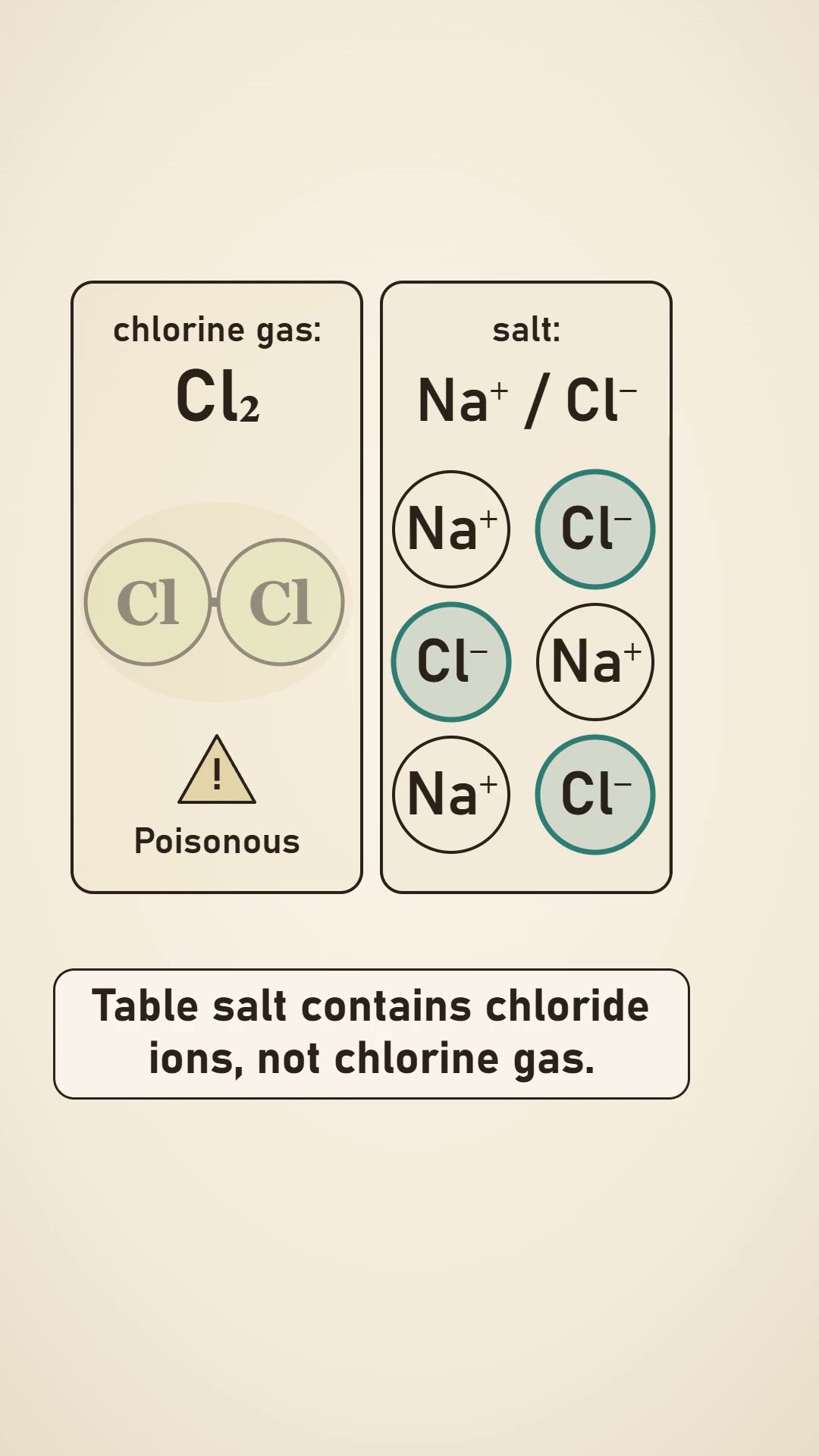 2 min readChlorine and Chloride: Why Table Salt Is Not Chlorine GasA pool and a salt crystal share chlorine atoms, not a chemical identity.
 2 min readWhy Some Volcanic Fumes Smell Like Rotten EggsThe yellow mineral and the smelly gases share an element, not an identity.
 2 min readA New Form of Boron, Imma-B60: The Brittle Element That Now BendsBoron is hard, dark and brittle, and new forms of it have been almost impossible to find. This one is full of holes, carries current and gives instead of breaking.
 2 min readWhat Is the James Webb Telescope's Mirror Made Of? Beryllium, Not GoldWebb's honeycomb mirror looks like solid gold. Underneath it is a grey metal named after the mineral that emerald is made of.
 2 min readLithium, the Lightest Metal: Why It Floats on OilA metal you can cut with a knife and that bobs on oil like a cork. Element 3 is so light that the usual way of storing its relatives does not work.
 6 min readCarbon, Element 6: Why Diamond, Pencil Graphite and You Are the Same ElementThe hardest natural material and the soft grey core of a pencil are the same atoms, arranged two different ways. So, in a sense, are you.
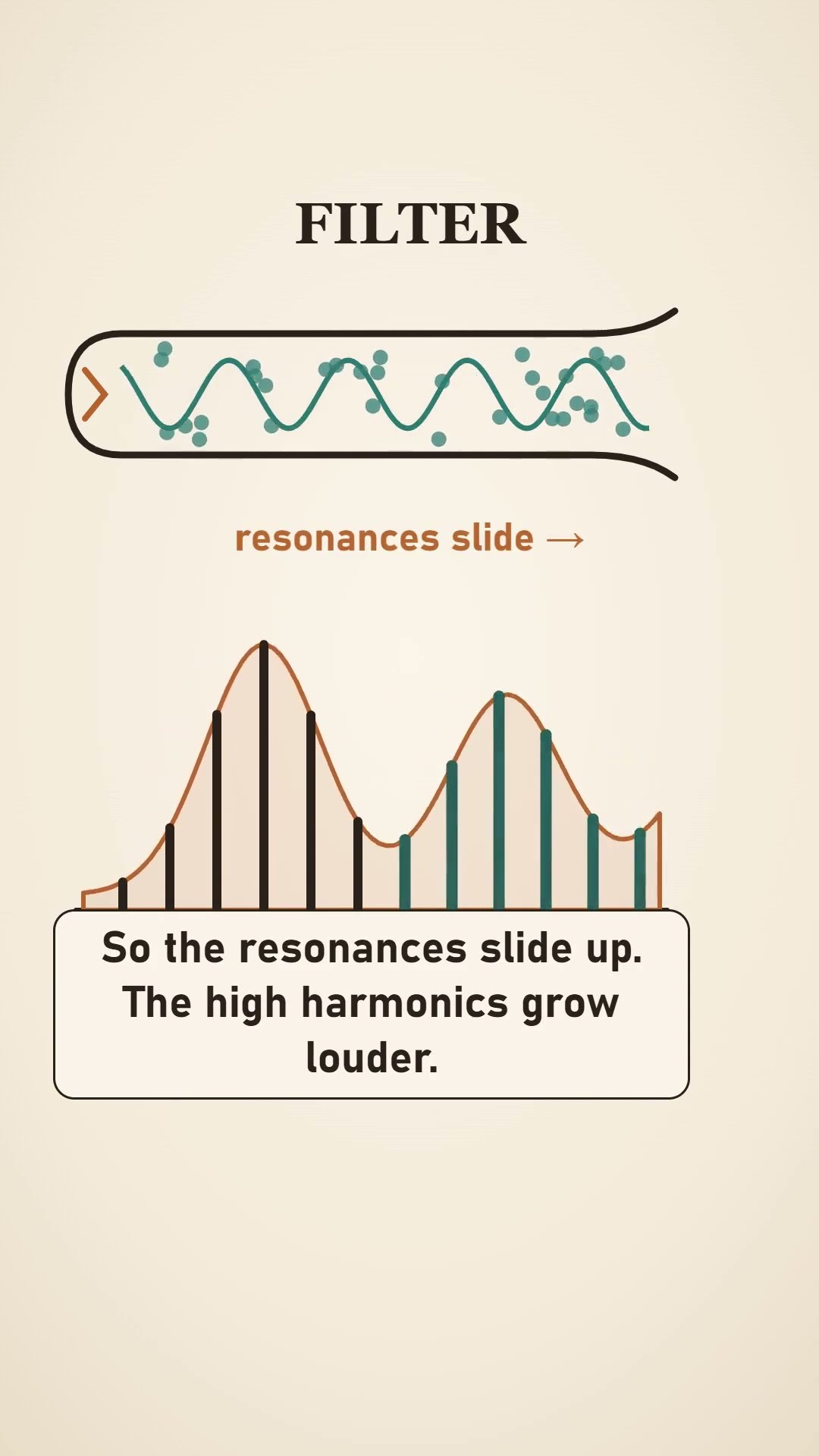 2 min readDoes Helium Change Your Voice's Pitch? What Helium Really DoesThe squeaky helium voice is real, but the note never changes. What changes is the shape of the sound, and the reason is the speed of sound in the gas inside you.
 7 min readMirror Molecules and the 2026 Nobel Prize in Chemistry: Why Life Picked One HandPasteur's tweezers, a physicist's three conditions and a reaction that copies itself: how chemistry finally learned to choose a hand, and what the 2026 prize is for.
 6 min readWho Discovered Oxygen? Scheele, Priestley, Lavoisier and the Fall of PhlogistonA Swedish apothecary, an English minister and a French tax collector all found the same gas. Only one name usually makes the textbook.
 3 min readWhy Is Life One-Handed? The 2026 Chemistry Nobel for Kagan and SoaiYour hands are mirror images, and so are many molecules. The 2026 prize rewards the chemists who found how a reaction can choose a side, as life did.
 6 min readHydrogen, Element 1: From Cavendish’s Inflammable Air to the Stars and the HindenburgThe simplest atom there is came first in the universe, lights every star, and once filled the largest airship ever to cross the Atlantic.
 6 min readWhy Is Gold Yellow? How Einstein’s Relativity Gives Gold Its ColourElement 79 owes its colour, and its refusal to tarnish, to electrons moving at more than half the speed of light.
 3 min readWhat Is Petrichor? The Chemistry Behind the Smell of RainStone, the blood of the gods and a family of soil bacteria: the earthy smell after a shower has a name, a molecule and a delivery system.
 2 min readHow Much Gold Has Ever Been Mined? All of It Fits in One 22-Metre CubeEvery ring, coin, bar and crown ever made would fit in a block shorter than a tennis court. The reason is density.
