A new form of boron, called Imma-B60, was reported on 23 September 2026 in the journal Nature Chemistry. Boron, element 5, is normally a brittle, dark, very hard solid. The new form is an open framework of boron cages with empty space inside it, and it behaves very differently: its electrical conductivity is about seven orders of magnitude, ten million times, higher than that of ordinary beta-boron, and instead of shattering it deforms plastically, by about 23 percent. It is a laboratory result for now, and whether it can be made in quantity is not yet known.
An element that refuses to change shape
Like carbon, its neighbour on the periodic table, boron can arrange its atoms in several ways. Carbon has diamond and graphite; boron has its own family of forms, called allotropes. But new ones are rare. The last discovery of an unusual boron allotrope dated back to 2009, and in the sixteen years since hardly any were found, although many were predicted.
Part of the problem is boron’s appetite for other elements. Push it together with something else and it tends to form a compound, a boride, rather than a new arrangement of pure boron.
Cages with the sodium taken out
The team, which includes the materials scientist Xiang-Feng Zhou of Yanshan University in Qinhuangdao, China, used that appetite instead of fighting it. They first made boron react with sodium under high pressure, forming a sodium boride. Then they drove the sodium back out, leaving pure boron behind, with open space where the sodium atoms had been.
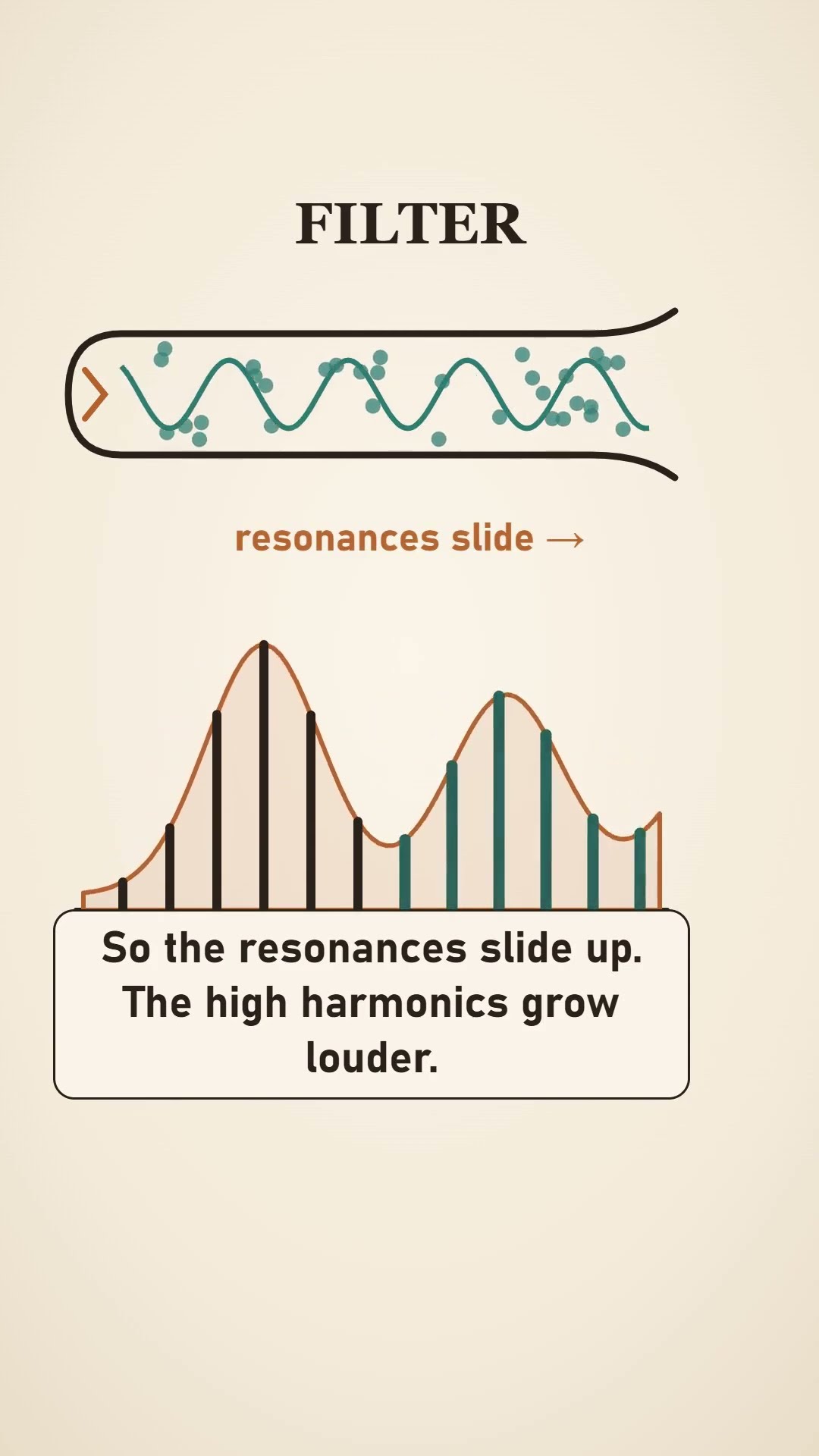
What remains is a framework of 12-atom boron cages, the shape chemists call an icosahedron, linked to one another by small triangles of three boron atoms. According to the Nature news report, that open space allows a movement of atoms called dislocation slip, which is why the solid can deform instead of cracking. It also conducts electricity far better than ordinary boron: its band gap is narrow, under 0.2 electronvolts.
Why it matters
Most of the boron we use is not the element itself but its compounds: about half of all production goes into fibreglass, and borosilicate glass is prized because it survives sudden heat. A pure form of boron that conducts and bends opens a different door. The Nature news report quotes Artem Oganov, who worked on the 2009 discovery, calling the method “the most elegant, most modern application” of the approach, and saying its consequences “can be very far-reaching”.
The Short begins with a boron crystal shattering under a hammer and ends with a beam that bends. Element 5, boron: brittle for two centuries, and now, in one laboratory, not.